

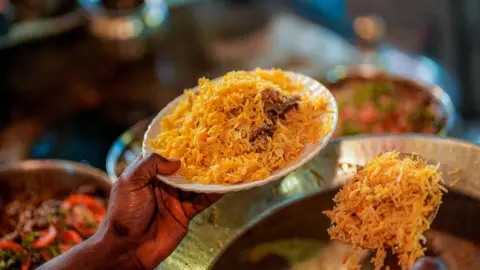
Mouth-watering kebabs, fragrant biryani, and airy, cloud-like desserts.
The historic city in northern India of Lucknow has forever been a haven for gastronomes, with locals and travelers equally praising its superb cuisine.
An International Accolade
In a recent announcement, Unesco recognised it as a UNESCO Creative City for Gastronomy – adding it to a exclusive list of world cities and sparking hopes that it will spotlight Lucknow's peerless food. With this designation, it enters a international community of more than four hundred urban centers across more than 100 countries committed to promoting "creativity as a catalyst of development that sustains urban life".
The recognition "demonstrates its deep-rooted food heritage and dynamic culinary scene," as noted by a representative from UNESCO's Regional Office for South Asia.
Lucknow is merely the second Indian city – following Hyderabad, which was selected in 2019 – to earn a spot in this coveted list of seventy urban centers internationally.
A City Defined by Food
The accolade for this historic city arrives as little surprise to its residents or dedicated food lovers. Many agree with the sentiment that it is "better late than never".
With the UNESCO designation, this beloved, bustling, and vibrant city – the administrative center of India's largest state – is at last in the spotlight for what has perennially defined its heart: an immense passion for food.
"'What's for dinner, the method of preparation' is a ongoing conversation from waking up until night in many homes," notes a local cultural expert. "And you are truly assessed by the excellence of food that comes out of your kitchen."
An Imperial Food Tradition
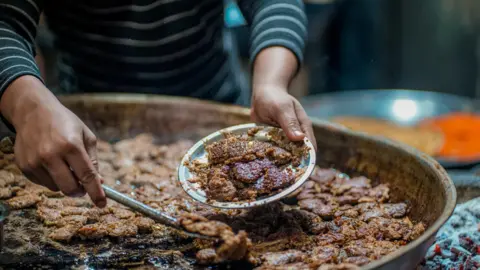
The City of Nawabs – as it's widely known after its 18th and 19th Century affluent Muslim rulers – is noted for its succulent kebabs and a distinctive take on biryani that were invented, perfected, and raised to extraordinary levels in their imperial kitchens.
These kitchens of the nobility were centers of food experimentation, merging Persian and native Indian styles to create what became known as the cuisine of Awadh.
It was during this time that Lucknow's renowned kebabs were developed. The story goes that the mutton galouti was created to cater to an ageing nawab who had no longer had his teeth. His cooks processed the meat with papaya, kesar, and spices and made it so silky that it required no chewing.
But perhaps the most significant contribution of the cooks of Awadh was the slow-cook Dum pukht technique, where food is prepared on a low, slow heat, with the pot's lid tightly closed with a flour paste.
A Diverse Culinary Landscape
Apart from the obvious kebabs and biryani, the culinary masters also created a repertoire of dishes that included kormas (creamy curries), sheermal (saffron-infused flatbread), and shahi tukda (a decadent bread pudding).
However, Lucknow is not only about kebabs and biryani – the region is also a haven for vegetarians.
The local traditionally vegetarian community's cuisine doesn't just highlights local ingredients but also gives the city its highly curated Indian desserts, sweets, and distinctive street food, like chaat – tangy fried snacks.
Time-Tested Food Joints
Nearly on every corner, there are little shops and kiosks – little-known delights that are immensely favored by the locals.
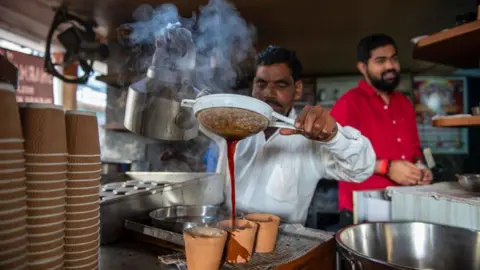
In the heart of the city of Hazratganj, throngs of people start assembling from 5 am at a famous tea stall to get a piping hot cup of spiced tea with milk, served in earthenware cups, along with pillowy soft buns lathered with freshly churned white butter.
For breakfast, one can head to a unpretentious joint situated in the old city area of Aminabad. Nearly 150 years after it was founded, the place is still much sought-after for its hot kachoris (fried bread stuffed with lentils) and jalebis (crispy, syrup-soaked sweets).
Safeguarding a Culinary Heritage
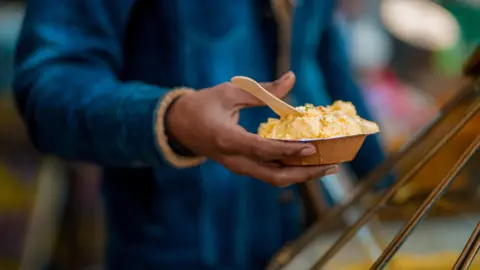
The city also offers special treats of the season, such as makkhan malai, a frothy dessert found in the winter. The technique of making it is scientific and involved. The cook whisks the milk and then leaves it out at night, allowing the dew to give it its incredible light consistency.
On chilly mornings, street vendors are often seen in historic neighborhoods like Aminabad and Chowk. A number of however express concern that their children do not want to learn the art.
A celebrity chef from Lucknow has noted that the city's immense food legacy puts it among the best of the Indian street food experience. The true benefit from the UNESCO recognition, however, will be realized only if Lucknow can now create awareness about its hidden eateries.
Every dish in Lucknow has a narrative – shaped by multi-generational food businesses, from modest street carts to bustling restaurants, and secret family recipes.
The international acclaim, it is hoped, will motivate more people around the world to explore these stories and visit the city to delight in the culinary delights of Lucknow.


